Service 01
Records Check
Before anyone travels or opens a book: which parish your village belonged to, which of its registers survive for your years, where they are held — and what is gone.
up to 2 weeks$140
Genealogy · filmed village visits · private guided journeys
A hundred years ago your family left a village in Ukraine whose name nobody at home can spell anymore. We find that village — the church records, the house, the graves, sometimes the living relatives. And when you are ready, we take you there ourselves.
“Is it safe?”
We work only in western regions, far from the front line. Every journey follows a written safety protocol, with war-risk insurance and a plan for every hour of your day. Read the protocol — it is public.
“Will you find anything?”
We tell you what can be found before you pay. If a case is hopeless — archives burned, records lost — we say so in our first reply and take no money. Roughly one case in ten ends there.
“Who are you, exactly?”
Not an agency with a call centre. One researcher in Ukraine, whose name and face are on this site, who does the work himself. When you write, he is the one who answers. About the founder →
The century between
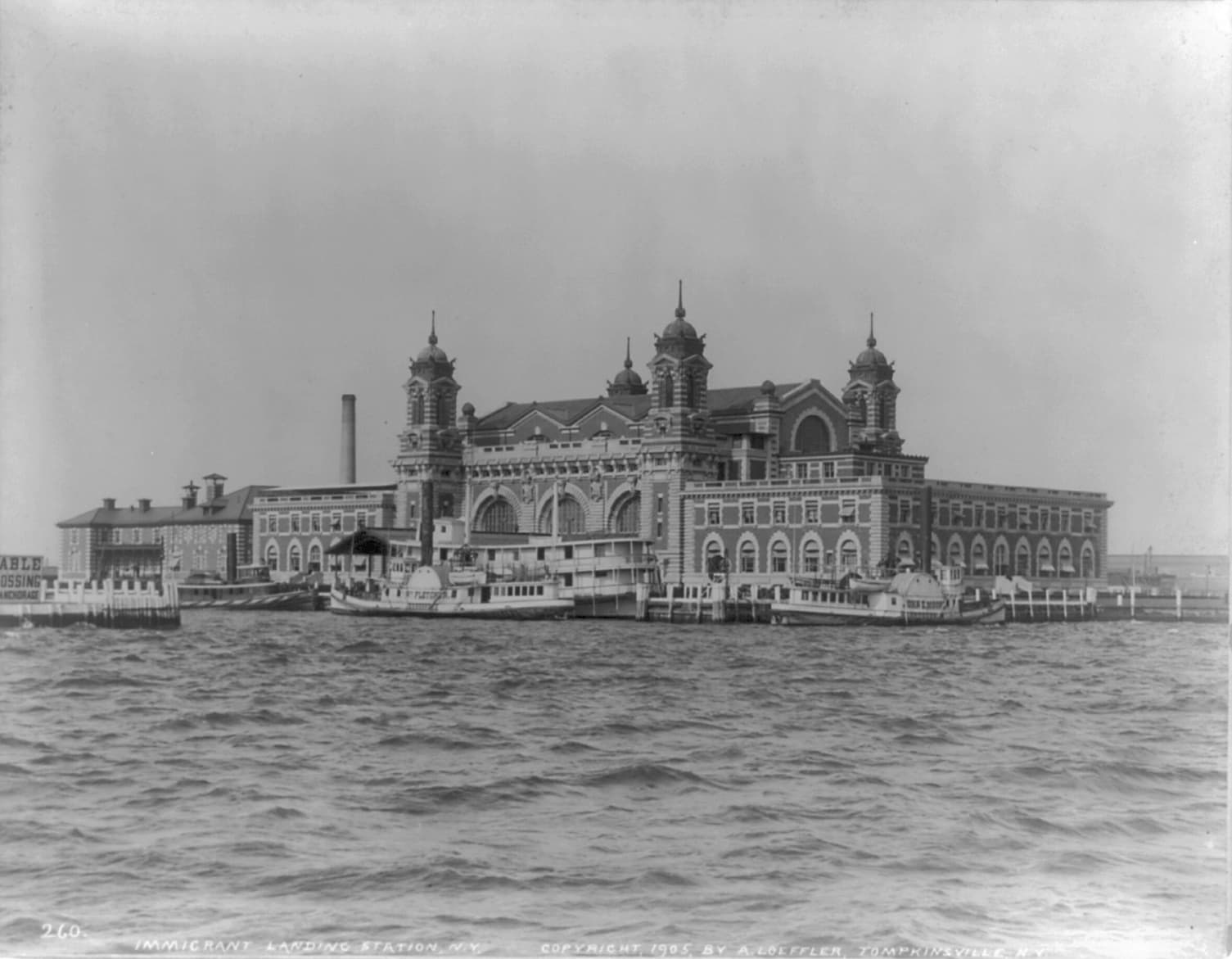
In 1905, a landing station in New York harbour processed five thousand people a day. Among them, in sheepskin coats in July, were families from Galicia and Zakarpattia with a village name written on a scrap of paper — spelled the way a tired clerk heard it.
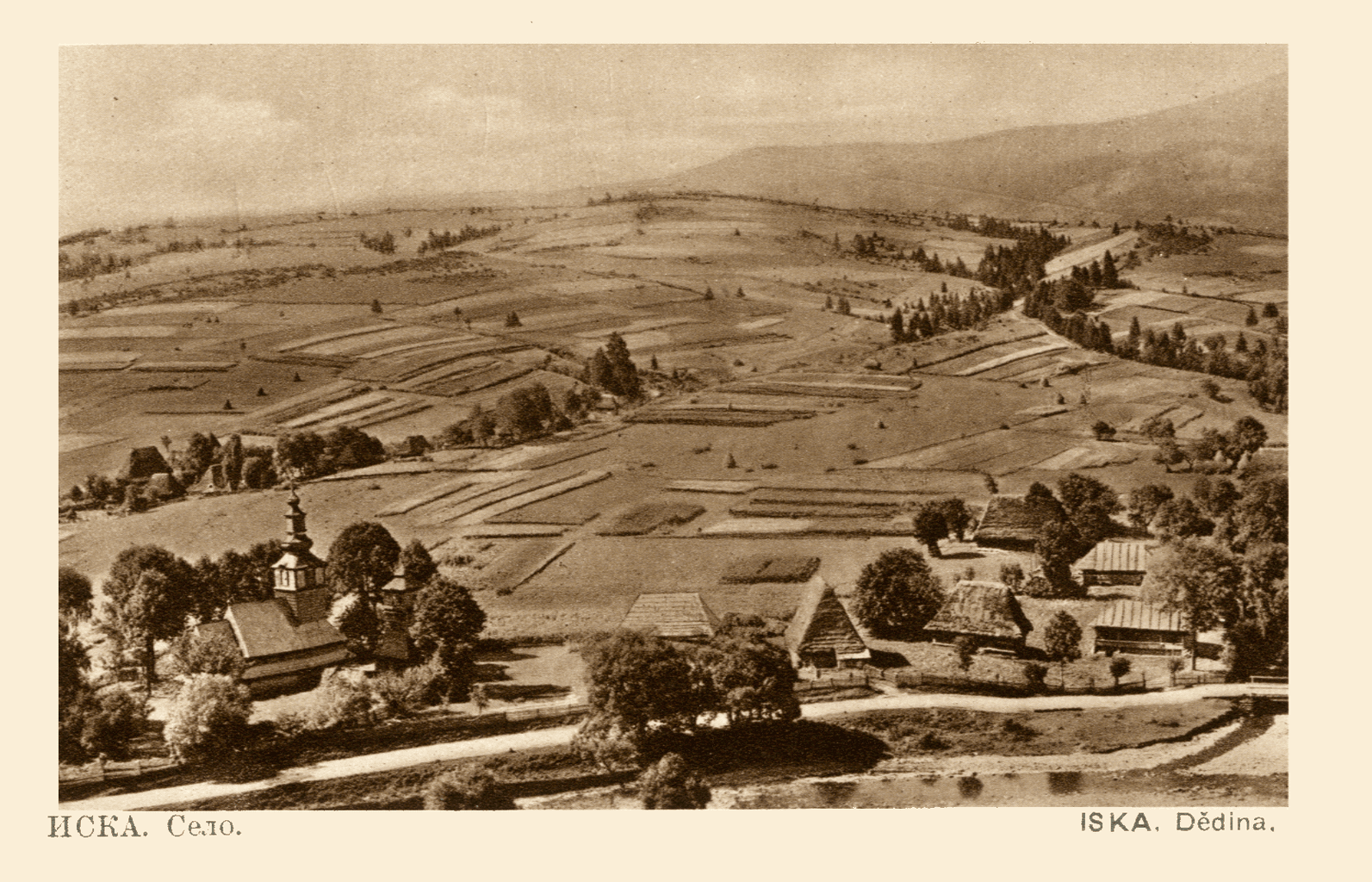
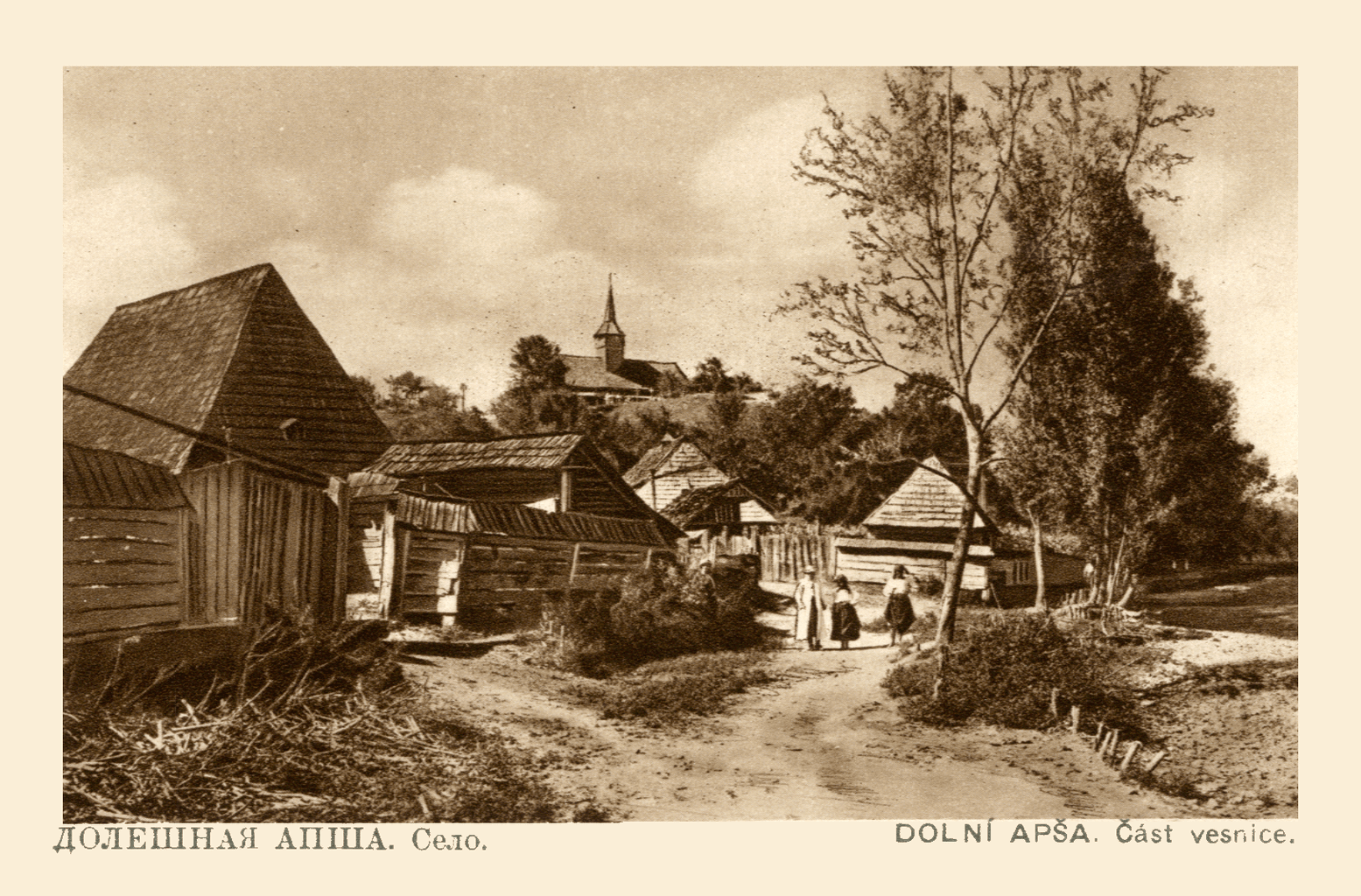
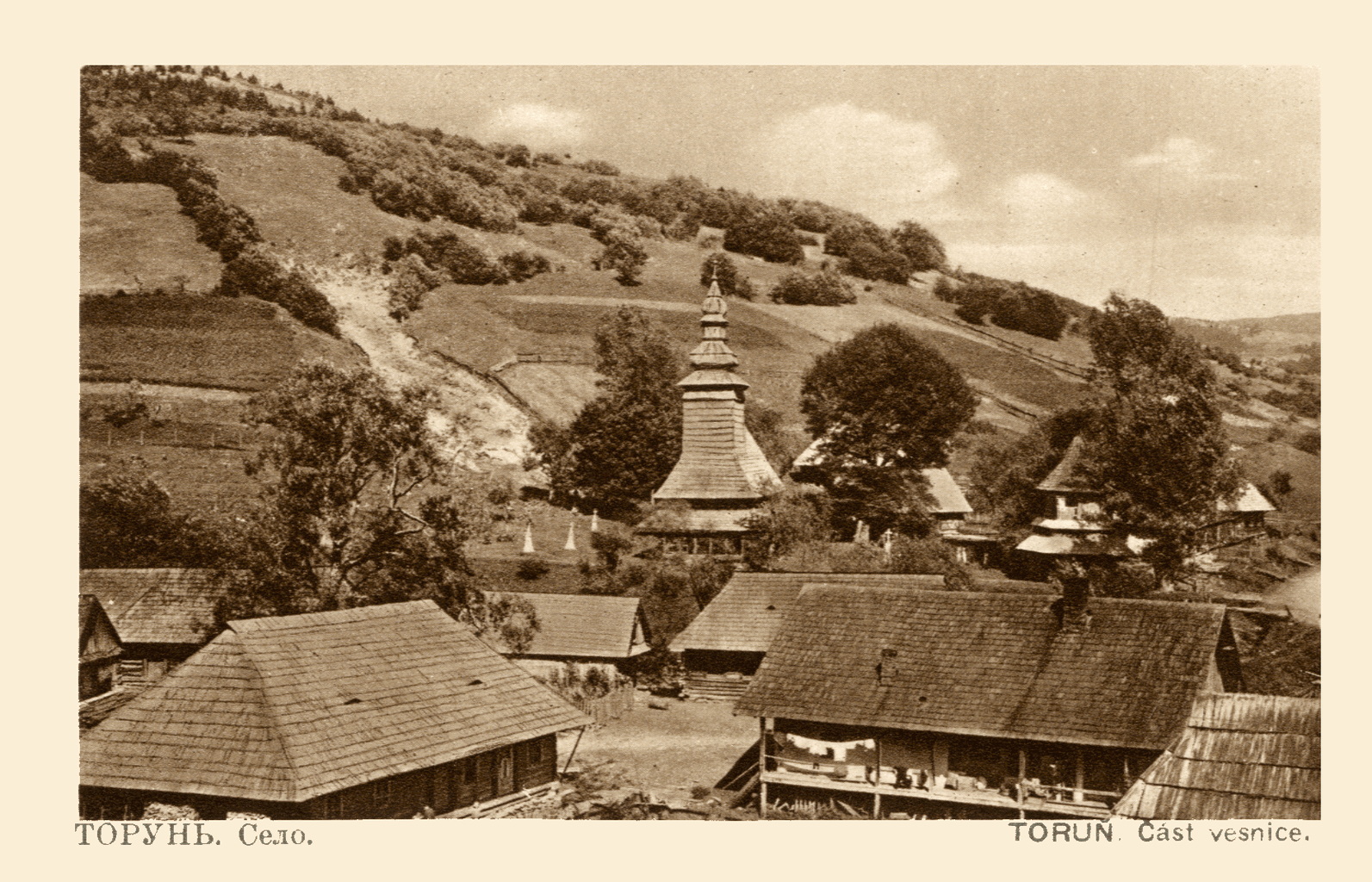
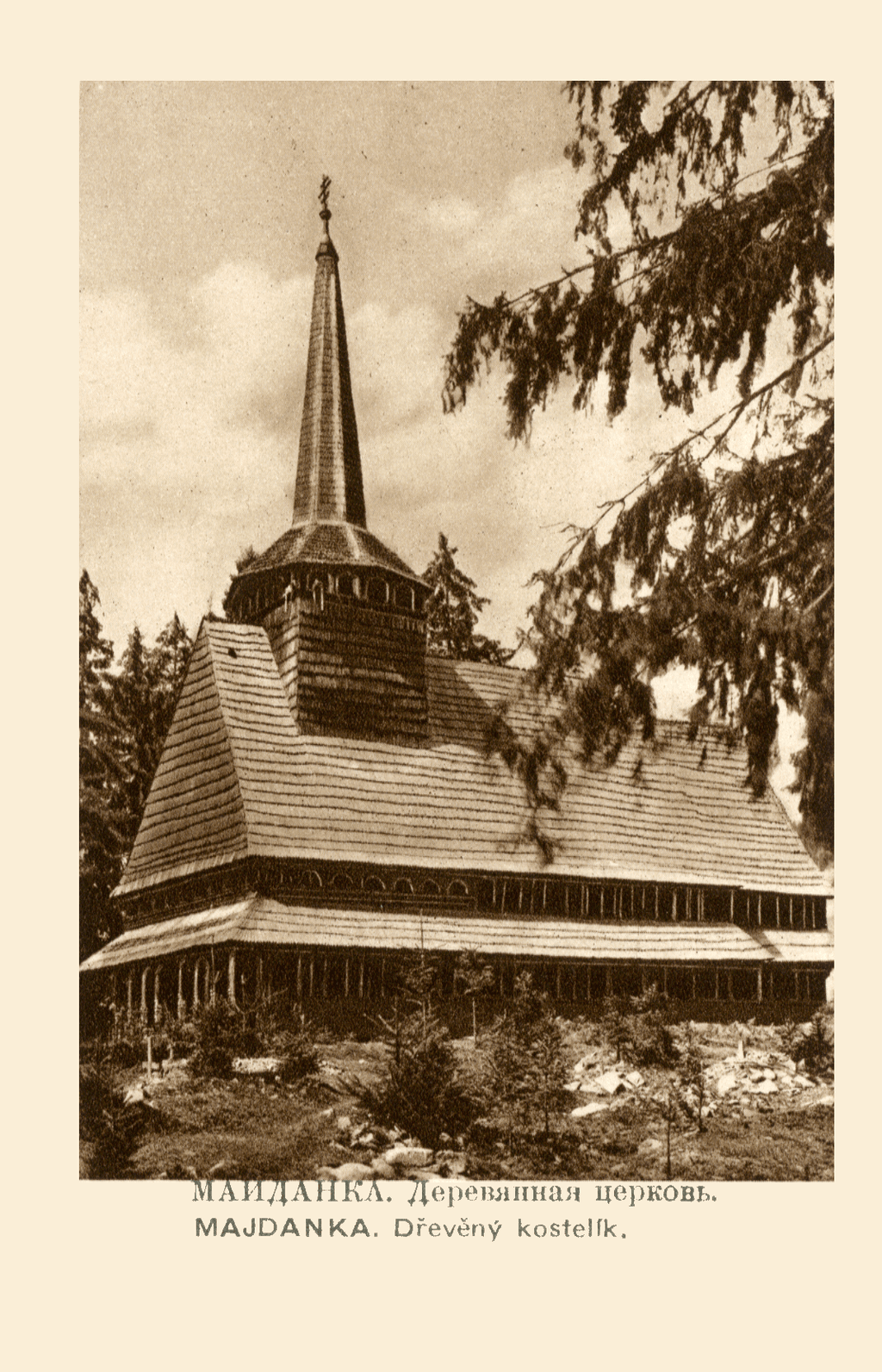
These postcards were printed in the 1920s, when the villages they left were photographed for the first time. The hills have not moved. The churches, mostly, still stand. The road your great-grandmother walked to the train is still a road. It is all still there — waiting for someone to come back and look at it.
Four ways in — start as small as you like
Service 01
Before anyone travels or opens a book: which parish your village belonged to, which of its registers survive for your years, where they are held — and what is gone.
Service 02
Every headstone with your family's names photographed and read, the house or its site, the street walked end to end, the neighbours asked. If nothing of your family is found, half comes back.
Service 03
The files ordered, every relevant page photographed, your family's entries read and translated, and a written account of all that was checked.
Service 04
Where all of it leads. You come, and stand in the village your family left a century ago — with the records read, the grave found and the day planned around you.
Prices, published openly. The exact figure for your case comes in writing after a free assessment — never a surprise at the end.
Free tools · No sign-up
They read the village name off your document, transcribe a page of a parish register, and write the letter an archive will actually answer. No sign-up, no email address, nothing kept. This is the first hour of the work — the hour nobody should be charging you for.
What the work looks like
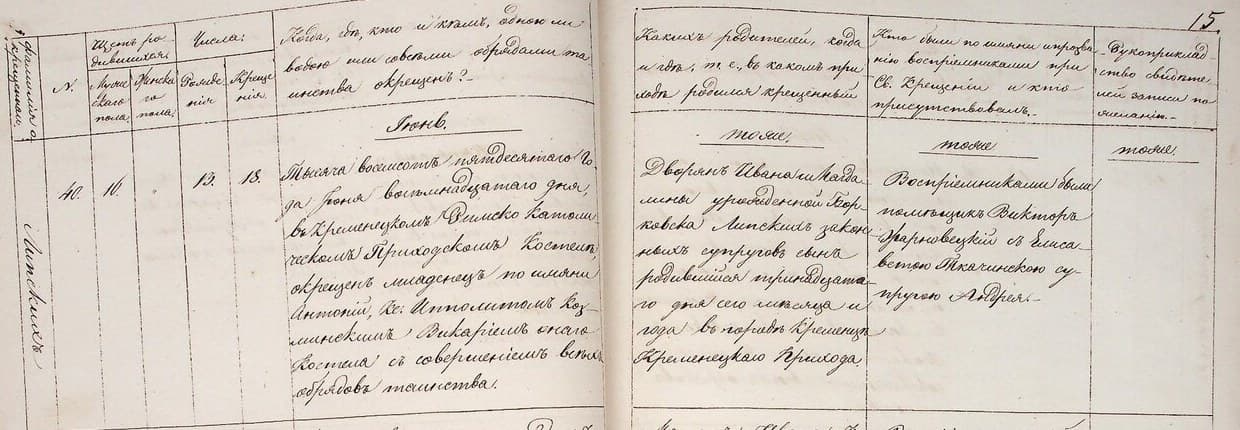
This is a real page of a parish register from June 1850, scanned by the State Archive of Ternopil Oblast and in the public domain. Everything below it is what our free reader made of it, word for word — the same thing it will do with the photograph in your family's box.
Not everyone left
Two million people were taken from Ukraine to work in Germany between 1941 and 1944, and much of the diaspora descends from those who never went back. That search runs through different archives from the ones described above — and the page about it says which, and what you can look up yourself for nothing.
Five different searches
Where the records are depends on what happened to the family, not on where the village is today. Each of these pages says which archives your case runs through, and which part of it costs nothing.
Lviv, Ternopil, Ivano-Frankivsk, Warsaw: it depends on the year, the rite and the eparchy — not on today's region.
The village is in Poland and so are the old registers. The family that stayed was moved to Ukraine in 1944–46 — into the regions where we work.
Lwów, Tarnopol, Stanisławów, Wołyń: what is in Warsaw, what stayed here, and what is left of the village.
Two empires and two record systems. Which books are in Warsaw, which survive in Ukraine, and what to do where the community's registers are gone.
How you pay
It is worth asking that last question everywhere else you enquire.
If you cannot travel
The house, or what is left of it. The church where your great-grandfather was baptised. Every stone in the cemetery that carries your family's name, photographed and read. The street, walked end to end on camera. The oldest people in the village, asked whether they remember your family.
Not being able to travel does not mean you cannot return.
Who answers your email
My name is Vadym Ratynskyi. For sixteen years I have researched and taught at Ternopil Ivan Puluj National Technical University; I am a Doctor of Economic Sciences — Ukraine's higher research doctorate — and my subject is how service businesses survive in the country's rural communities. The villages I study are the villages I drive to. The residents who still remember the names of the families that left are approaching ninety.
That is why I do this now, and not someday. I will tell you the truth about what can be found before you pay me anything — and if your case is hopeless, I will say so and take no money.
We operate only in the western regions — hundreds of kilometres from any fighting, in cities and villages where daily life carries on. That said, this is a country at war, and we treat it that way: written safety protocol, war-risk insurance, a briefed driver, and a daily check-in message to your family at home. The full protocol is public on our Safety page.
Almost always, yes. Ship manifests were written down by ear — “Zloczow, Austria” could be any of several places. Matching the distorted spelling against historical gazetteers, parish registers and emigration-era maps is precisely the first thing we do — and our free village finder does the first pass of it for nothing.
Yes — write in Polish, Portuguese, Spanish or Russian, whichever is easiest for you, and we answer in the same language. In Ukraine itself, every conversation — with archives, village councils, the oldest woman on your street — happens through us and is translated for you on the spot or in the film.
If we judge a case hopeless, we say so in our first reply — before any payment. If a paid day in your village finds nothing of your family, half the fee comes back. What each piece of work promises, and what it does not, is in writing before you pay.
You write us the family name and whatever you know. We write back honestly: what can be found, what cannot, and what it would cost in your case. No payment, no obligation.